
Picture two employees.
Both are managing anxiety. Both are developing early signs of diabetes and hypertension. Both have the same healthcare needs.
In one scenario, care is easy to access. Within days, the employee connects with a therapist, establishes a primary care relationship, completes recommended labs, and begins working with a health coach. Within a few months, anxiety improves, blood pressure stabilizes, and a chronic condition is identified before it becomes more serious.
In the other scenario, finding care takes weeks. Appointments are delayed. Symptoms worsen. Time away from work increases. By the time care is finally received, health concerns have progressed and costs have grown.
The difference isn't motivation or benefit eligibility. It's access.
Rural employees often face the most visible barriers to care. Provider shortages, longer travel times, and fewer local healthcare options can make it difficult to access timely treatment. Geography isn't the only obstacle.
An employee living in a major metro area may still wait weeks for a primary care appointment, struggle to find a provider accepting new patients, or postpone care because taking time away from work feels impossible. Access challenges look different, but the outcome is often the same: delayed care, lower engagement, and worsening health over time.
For employers, that's why healthcare access has become a workforce issue.
By mid-year, those barriers begin to show up in measurable ways through delayed treatment, inconsistent engagement, unmanaged chronic conditions, and rising healthcare costs. The question becomes whether employees can realistically access it when they need it.
Access Challenges Are Growing
Primary care remains the foundation of preventive care, chronic condition management, and early intervention. Yet access continues to be constrained.
Patients in the United States wait an average of 26 days or more to see a primary care provider. At the same time, healthcare provider shortages continue to expand across rural and underserved communities.
Access challenges are especially pronounced in rural and underserved communities. In fact, 15% of First Stop Health patients live in a Primary Care Health Professional Shortage Area (HPSA), compared to 11% of the U.S. population nationally. Despite those barriers, patients can connect with a First Stop Health primary care provider in three days or less, often next day, at $0 cost per visit.
For many employees, the issue isn't whether healthcare exists. It's whether healthcare is realistically accessible when they need it.
The Hidden Cost of Limited Access
When employees struggle to access care, the effects aren't always immediate.
They often appear later through:
- delayed diagnoses
- worsening chronic conditions
- avoidable emergency room visits
- lower employee healthcare engagement
Research shows that 44% of U.S. adults have delayed or skipped needed care due to cost or lack of time. For employers, this creates a compounding effect.
A missed preventive visit today can become a more expensive intervention six months from now. A delayed follow-up can become a hospitalization. A manageable chronic condition can become a high-cost claim. This is why access is a performance issue.
Why Rural Healthcare Access Impacts Outcomes
The strongest healthcare strategies remove barriers before employees encounter them.
Virtual primary care helps close access gaps by bringing care directly to employees, regardless of geography. Instead of waiting weeks for an appointment, employees can connect with a provider in three days or less, often next day, at $0 cost per visit.
The impact is measurable.
At First Stop Health:
- 58% of patients use primary care for the first time in over a year
- thousands of employees gain access to care that may otherwise have been delayed
- patients receive support across preventive, chronic, and mental health needs
This is where virtual care outcomes begin.
Virtual Care Access Is Only Valuable If Employees Use It
Simply offering a virtual care benefit isn't enough. Employees need a reason to engage.
This is especially important for rural and distributed workforces where healthcare access barriers have often existed for years. When care is easy to access and connected to ongoing support, engagement improves.
Employees are more likely to:
- establish a primary care relationship
- address concerns earlier
- stay connected to care plans
- seek support before issues escalate
That continuity creates better virtual care outcomes over time.
Read: What Virtual Primary Care Covers →
A Real-World Example
For many manufacturing, construction, transportation, and field-service employers, rural healthcare access remains one of the largest barriers to employee health.
Many workers travel frequently, work nontraditional schedules or live far from primary care providers
First Stop Health delivers virtual care to help bridge that gap.
Employers that successfully improve employee healthcare engagement often focus less on adding more solutions and more on making healthcare easier to access in the first place. Because employees can't engage with care they can't reach.
What Employers Should Be Evaluating Mid-Year
As employers assess benefits performance throughout the year, a few questions become increasingly important:
- Are employees able to access care quickly?
- Are rural and distributed workers engaging with benefits?
- Are employees establishing ongoing provider relationships?
- Are chronic conditions being addressed earlier?
- Are healthcare access barriers being removed?
The answers to these questions often reveal more than utilization reports alone. They reveal whether the strategy is creating meaningful access.
Better Virtual Care for Rural Workforces
Access to care remains one of the biggest challenges facing rural employees and their families. Long travel times, provider shortages, delayed appointments, and fragmented support can all impact health outcomes, productivity, and overall healthcare costs.
Watch Here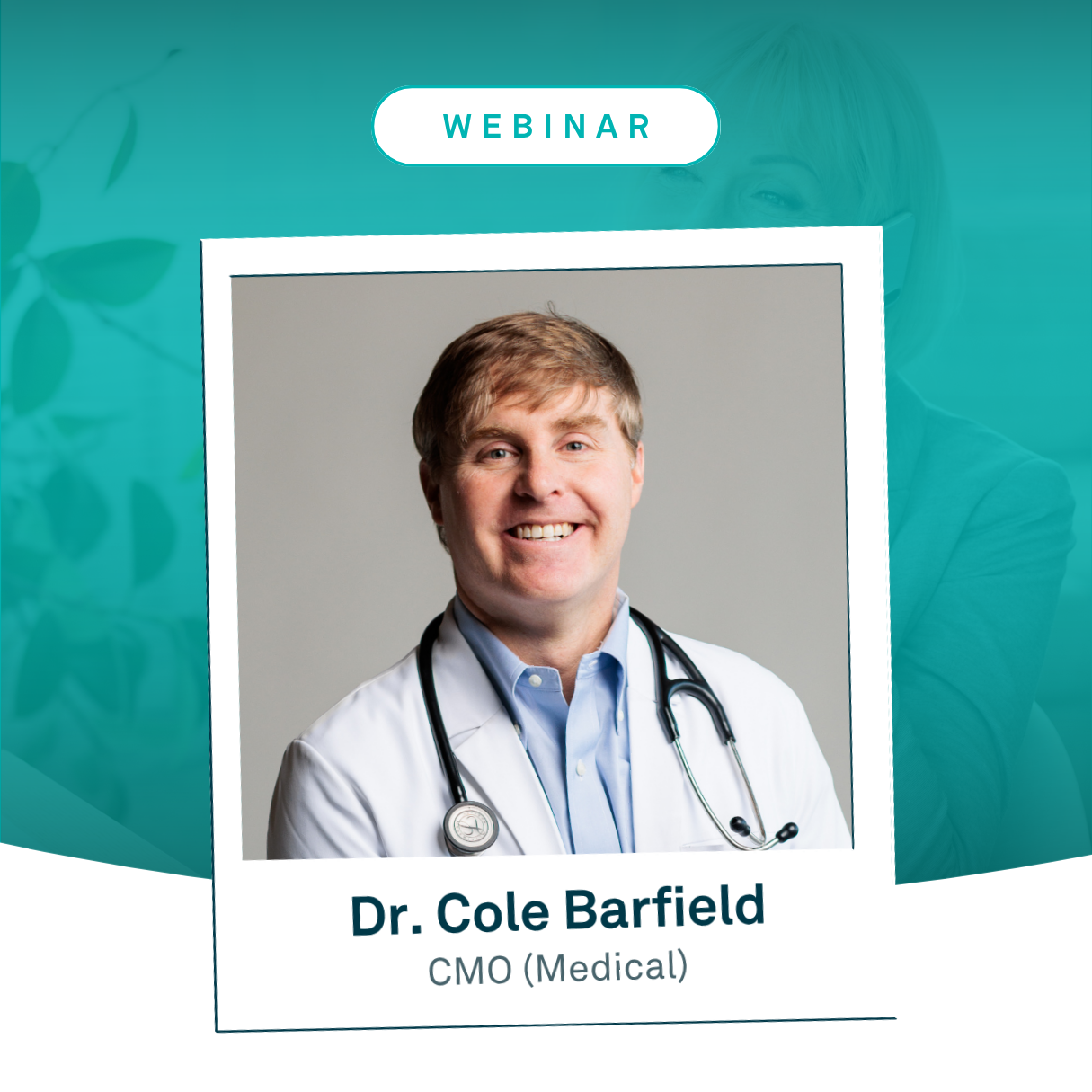
All in All
Access shouldn't depend on where an employee lives, works, or punches in for a shift.
The reality is that many healthcare challenges begin long before someone enters an exam room. They begin when care feels too far away, too difficult to schedule, or simply out of reach.
The employers seeing the strongest outcomes aren't necessarily offering more benefits. They're making it easier for employees to use the ones they already have.
Because the first step toward better health is being able to get care in the first place.
Frequently Asked Questions About Rural Healthcare Access and Virtual Care
Why do employees delay healthcare even when they have benefits?
Having benefits does not always mean care is easy to access. Long wait times, provider shortages, scheduling challenges, transportation barriers, and out-of-pocket costs can all prevent employees from seeking care. When these barriers persist, employees are more likely to delay preventive care, follow-up appointments, and chronic condition management.
How does virtual primary care improve healthcare access?
Virtual primary care removes many of the barriers that prevent employees from engaging in care. Employees can connect with a provider quickly, receive guidance on next steps, complete referrals for labs or imaging, and establish an ongoing care relationship without needing to travel or take significant time away from work.
Why is healthcare access important for employers?
Access directly impacts employee engagement, health outcomes, and healthcare costs. When employees can access care earlier, conditions are more likely to be identified and managed before they become complex or expensive. This can help reduce avoidable emergency room visits, hospitalizations, and productivity disruptions.
What types of workforces benefit most from virtual care access?
Virtual care can be especially valuable for rural, distributed, field-based, shift, manufacturing, construction, transportation, and frontline workforces. These employees often face unique challenges accessing traditional healthcare services due to location, scheduling constraints, or provider shortages.
How can employers evaluate whether employees are truly accessing care?
Beyond utilization reports, employers should look for indicators such as first-time primary care engagement, follow-up visit rates, continuity of care, chronic condition outcomes, and employee engagement across services. These measures provide a clearer picture of whether employees are successfully connecting with and staying engaged in care.