By the middle of the year, most employers have a reasonable sense of whether employees are aware of their healthcare benefits.
They've seen utilization reports. They've reviewed enrollment numbers. They've likely received at least one update from a vendor highlighting registrations, visits, or engagement metrics.
What becomes harder to understand is whether any of that activity is translating into meaningful progress. In healthcare, the first visit is rarely the story. What happens afterward is.
The employee who schedules an appointment after putting it off for months. The patient who finally establishes a primary care relationship. The individual who starts addressing a chronic condition before it becomes a crisis. These are the moments that ultimately shape outcomes and costs, yet they often receive far less attention than initial utilization.
This is one of the realities employers begin to see more clearly by mid-year.
Access gets employees into the system. Follow-through determines whether the system actually works.
Why Activity and Progress Aren't the Same Thing
Healthcare organizations have spent years trying to improve access.
For good reason. Patients in the U.S. still wait an average of 25 days or more for a primary care appointment, and many employees continue to delay care because of time, cost, or logistical barriers.
Expanding access is necessary, but it isn't sufficient. Progress comes from a series of interactions over time. That's where many healthcare strategies begin to diverge.
Some models are designed to facilitate transactions. Others are designed to support relationships.
The distinction matters because most of the conditions driving healthcare costs today aren't solved in a single encounter. Diabetes, hypertension, obesity, anxiety, depression, and cardiovascular disease all require ongoing management. They require patients to return, follow through, and remain engaged long enough for care plans to take effect.
Read: Chronic Disease Management in a Virtual Care Model →
The Hidden Cost of Drop-Off
One of the least discussed challenges in healthcare is what happens between visits.
Employees leave an appointment with recommendations, referrals, prescriptions, or next steps. Then life resumes. Work schedules get busy. Family obligations take priority. Symptoms improve enough to postpone action.
The result isn't always immediate. But over time, the consequences become visible.
Conditions become more difficult to manage. Preventive opportunities are missed. Employees enter the healthcare system later, often requiring more intensive and expensive interventions.
This is one reason healthcare costs remain difficult to control despite growing investments in benefits and point solutions. The challenge is keeping employees connected to care.
Where Outcomes Become Measurable
The strongest outcomes tend to emerge when care extends beyond the initial visit.
At First Stop Health, 80% of patients lower blood pressure and stabilize glucose after five visits. That statistic is important not simply because of the outcome, but because of what it represents. Five visits.
Five opportunities to monitor progress, adjust treatment plans, reinforce healthy behaviors, and address barriers before they become larger problems.
The same principle applies across healthcare.
Mental health outcomes improve when patients continue therapy. Chronic conditions improve when providers can monitor and adjust care over time. Weight and metabolic health outcomes improve when medication is paired with ongoing clinical oversight, nutrition support, and behavior change.
In each case, progress is built through continuity.
Read: Why Mental Health Is the Missing Link in Chronic and Metabolic Health Outcomes →
What Employers Should Be Looking For
As employers evaluate telehealth performance throughout the year, utilization remains an important metric.
But it shouldn't be the only one.
The more revealing questions are often:
- Are employees returning for follow-up care?
- Are chronic conditions improving?
- Are employees engaging across services?
- Are providers helping patients navigate next steps?
- Are higher-cost interventions becoming less necessary over time?
These indicators provide a clearer view into whether a healthcare strategy is producing activity or progress. And increasingly, that's the distinction employers are being asked to make.
The first visit is often where access is measured. The visits that follow are where value is created.
For employers focused on outcomes, cost management, and long-term workforce health, that distinction matters. The most effective healthcare strategies aren't defined by how many employees enter the system. They're defined by how many continue moving forward once they're there.
Better Virtual Care for Rural Workforces
Access to care remains one of the biggest challenges facing rural employees and their families. Long travel times, provider shortages, delayed appointments, and fragmented support can all impact health outcomes, productivity, and overall healthcare costs.
Watch Here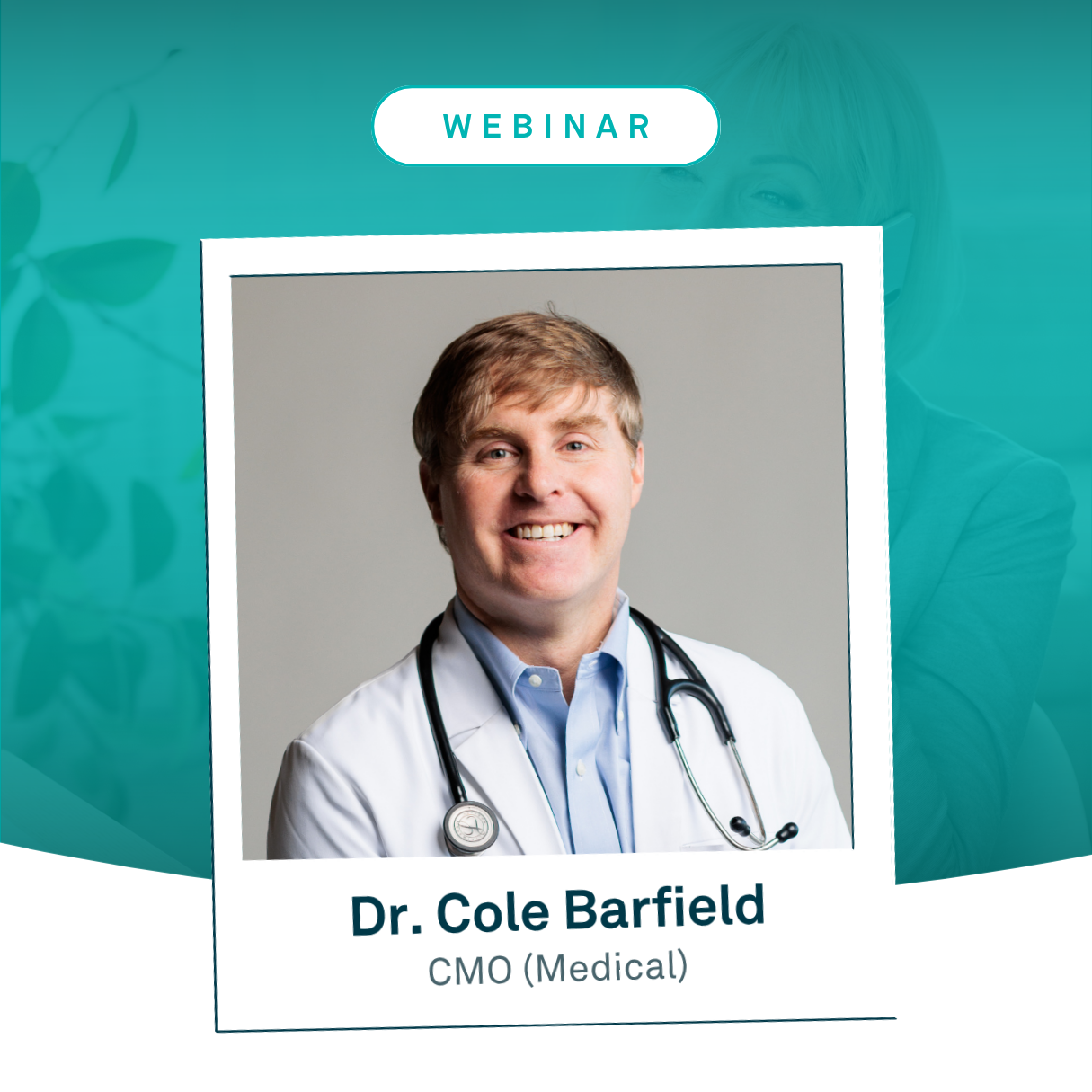
Frequently Asked Questions About Follow-Up Care and Virtual Care Outcomes
Why is follow-up care important after a virtual primary care visit?
A virtual care visit is often the beginning of a patient's healthcare journey, not the end. Follow-up appointments help providers monitor progress, adjust treatment plans, review lab results, manage chronic conditions, and address new concerns before they become more serious.
What happens after a virtual primary care appointment?
Depending on a patient's needs, providers may recommend preventive screenings, order lab work, refer patients to in-network specialists or imaging centers, prescribe medications, schedule follow-up visits, or connect patients with additional services such as mental health support or health coaching. A connected care model helps coordinate these next steps, making it easier for patients to stay engaged.
How does ongoing engagement improve healthcare outcomes?
Employees who remain engaged with care are more likely to complete preventive screenings, manage chronic conditions, adhere to treatment plans, and address health concerns earlier. Consistent follow-up helps improve long-term health outcomes while reducing the likelihood of avoidable emergency room visits and other high-cost interventions.
Why should employers measure more than virtual care utilization?
Utilization shows whether employees accessed care. It doesn't reveal whether they made progress. Employers should also evaluate follow-up care, continuity with providers, chronic condition outcomes, referrals completed, and employee engagement over time to understand the true impact of a virtual care program.
How does connected virtual care reduce healthcare costs?
Connected virtual care guides employees through the entire care journey rather than a single visit. By coordinating primary care, mental health, referrals, labs, imaging, and ongoing follow-up, employers can improve continuity of care, encourage earlier intervention, and help employees access the right care at the right time—reducing unnecessary healthcare spending over time.