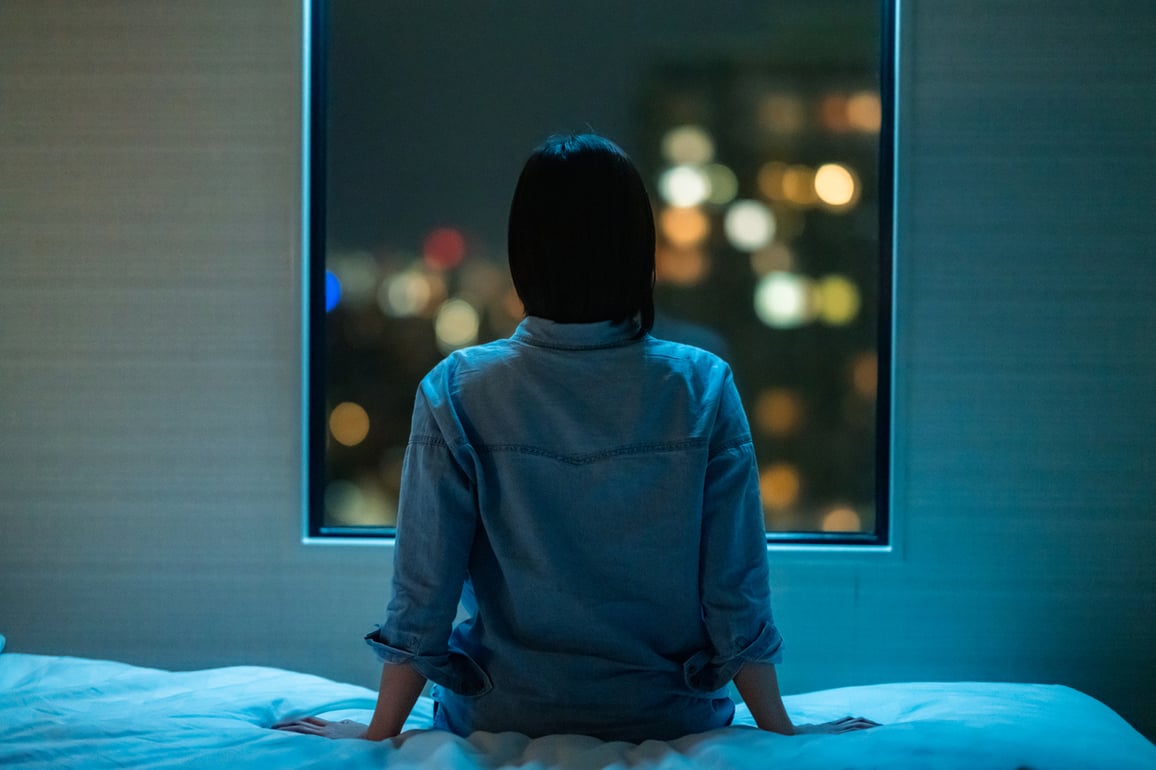
1 in 3 Americans don’t get enough sleep, according to the CDC. While the amount of sleep you need may vary based on your genetics and lifestyle, you likely need at least 7 hours of sleep.
In the short-term, lack of sleep can cause you to be sleepy, less alert and emotionally strained. In the long-term, lack of sleep can cause more serious issues, including a higher risk for high blood pressure, diabetes, heart attack and a weakened immune system.
In the meantime, read up on 7 reasons you might not be sleeping well:
Drinking too much coffee
Reaching for another cup of coffee? Before taking a sip, know that how much caffeine and when you have it can impact your sleep. Generally, it’s okay to drink up to 4 cups of coffee per day – but doing so in the afternoon can affect your sleep.
Too much caffeine can also lead to headache, nervousness, irritability, frequent urination, fast heartbeat and muscle tremors.
Not sure if you’re drinking too much coffee? Your provider can provide personalized insights and advice.
Anxiety
Generalized Anxiety Disorder (GAD), often simply called anxiety, is the most common mental health disorder in the U.S. Those with an anxiety disorder deal with excessive, ongoing worry and fear that interferes with their everyday life. Oftentimes, this worry and fear can make it hard to sleep.
Not sure if you have anxiety? Take our free screening. A professional can diagnose and treat anxiety, depression and more. When appropriate, your treatment plan may include prescriptions and specialist referrals.
Depression
Trouble sleeping (or sleeping too much) can also be a symptom of Major Depressive Disorder, which is often simply referred to as depression. For extended periods, people with depression live with feelings of sadness and/or loss of interest in things they used to enjoy. Symptoms also include trouble concentrating, anxiety, slowed thinking and speech, anger, tiredness and sometimes suicidal thoughts.
Not sure if you have depression? Take our free screening – and remember that you’re not alone. Compassionate care is just a few taps away. Schedule a visit with First Stop Health to get diagnosis and treatment via phone or video.
Drinking alcohol
While you may find that alcohol can help you fall asleep quickly, drinking can also prevent you from getting the deep sleep you need. In addition, alcohol can cause you to:
- Wake up more often during the night
- Have breathing problems while sleeping
- Have vivid dreams and nightmares
- Walk, talk and do other things while sleeping
Too much screen time.
- Your mind is active. The information you're taking in is also keeping your brain awake! When you're trying to sleep, it's important to set your phone aside, turn notifications off and focus on relaxing.
- It’s a bright light. The blue light from your phone can also trick your mind into feeling more alert.
To get better sleep, try turning your devices off a few hours before bed or at least dimming the brightness or using device modes that are better suited for nighttime use.
Medication side effects.
- Prescription drugs for depression, asthma, blood pressure and more
- Over-the-counter medications for pain, allergies, colds and weight loss products
A sleep disorder.
Affecting about 50 million Americans, a sleep disorder is a type of condition that affects the quality and amount of sleep you get. These include the following.
- Insomnia causes trouble falling asleep or staying asleep.
- Restless legs syndrome. While falling asleep, people with this condition experience feelings of itching, tingling and crawling feelings.
- Sleep apnea causes people to stop and restart breathing as they sleep. Symptoms include gasping or snoring during the night.
Start sleeping better.
Ready for some quality Zzzs? Try these tips at bedtime to help your body and mind relax.
- Choose a consistent time to go to wake up and go to bed each day. Stick to your routine, even on weekends.
- Make sure your bedroom is quiet, dark and a comfortable temperature for you.
- Have as few electronic devices in your bedroom as possible. That means no TVs or computers – and it’s a good idea to leave your phone at the door, too.
- Don’t eat large meals or drink caffeine or alcohol before bedtime.
- Try creating a relaxing environment using sleep sound machines or aromatherapy.
There are lots of ways start sleeping better. You and your provider can create a personalized care plan that works best for you.
.png?width=1650&height=1275&name=website%20images%20(30).png)
-1.jpg?width=356&height=261&name=iStock-1493903457%20(1)-1.jpg)